
The pull-up is one of the toughest body workout exercises to execute. The muscle groups of the lats, traps and rhomboids will be bearing the brunt of the effort. The exercise will improves your core strength and leave you with fatigue after every workout. The pull-up is an important upper body muscular gauge which works on your back and biceps. Its also a good indicator of a strong, stable and functionally fit upper body. In this article, we will explore 5 takeaways on Pull-Ups.
1. How to do Pull-Ups
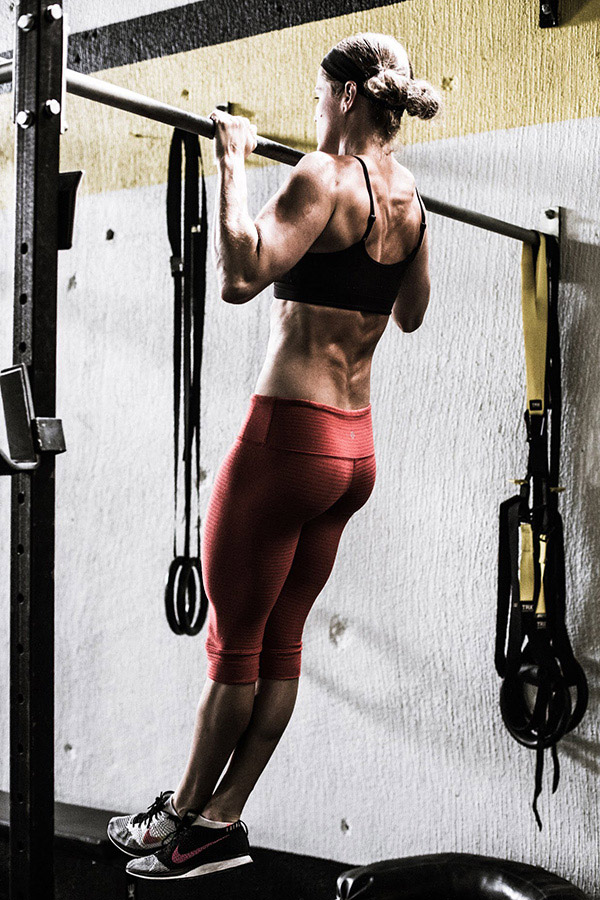
i. Jump up and grip the horizontal bar with your hands shoulder width apart and your palms facing away from you. Hang with your arms fully extended. Bend your legs slightly at the knee if they’re dragging on the ground.
ii. Focus on your shoulders back and your core pull up and use every upper body muscle to aid your upward motion.
iii. Move upwards slowly upward until your chin is above the bar, then slowly move downward until your arms are extended again
2. Common Types of Pull-Ups
i. Overhand grip
This pull-up is done with your palms facing away from you in an overhand grip. It is harder to do, because it places more of the workload on your lats. The wider your grip, the more difficult to execute the pull-up as other muscles group, apart from your lats, will come into play.
The overhand group is more versatile grip for doing pull-ups. It helps to gain grip strength and strengthen your forearm muscles as you work out. An overhand grip can also help you target specific muscle groups It also helps build forearm and grip strength since you must keep the bar from rotating as you lift.
ii. Underhand grip
This pull-up is done with your palms facing towards you in an underhand grip on the horizontal bar shoulder-width apart. This way of gripping is also commonly known a chin-up, and places more emphasis on your biceps which makes it more of an arms move than a back one.
The underhand grip pull-up can help improve grip strength, posture and appearance, as well as helping to strengthen muscles that stabilize the spine which also help reduce one’s risk of back pain and injury. This exercise offers tremendous benefits, for the back, shoulders, forearms and biceps. In addition to helping develop strength in the involved muscles, the ability to lift one’s own body weight can provide clients with an enormous sense of empowerment.
iii. Neutral grip
This pull-up is done with your palms facing each other around shoulder width apart. This is one of the strongest hand position for pull=ups because it distributes the workload between multiple muscles. This type of pull-up is a good option if you can perform more repetitions.
A neutral grip pull-up is performed on parallel handles or bars. It works with a majority of the muscles in the upper body. There is more emphasis on certain muscles through the biceps, brachialis, and forearms. It strengthens the muscles of the lats (latissimus dorsi), biceps, upper back, core and grip. It also has the ability to build functional strength as when the body is lifted during the execution, the upper body muscles has to work in unison to pull and control the whole body’s weight. One additional advantage of this pull-up is that its easier on the shoulder.

3. Benefits of Pull-Ups
i. Pull-Up is a multi-joint exercise
Pull ups are also a compound exercise. Although It doesn’t require much work from the lower portion of the body, all the upper body muscles, including the lats, traps, deltoids, pecs, biceps, forearms and triceps are being engaged. Doing pull-ups. This results in building functional strength and the strength of the upper body in a natural way.
ii. Pull-Ups Increase Grip Strength
Pull-ups are essential for building a strong grip and forearm strength. Having a strong grip and forearm strength is needless to say, useful in performing other types of pulling exercises as well as in your daily life of working towards a healthier lifestyle.
iii. Pull-Ups strengthen the Back Muscles
Pull-ups are one of the most effective ways to strengthen the back muscles. Pull-ups worked and strengthen the following muscle groups.
- Latissimus dorsi: Upper back muscle that runs from the mid-back to under the armpit and shoulder blade
- Trapezius: located from your neck out to both shoulders
- Thoracic erector spinae: the three muscles that run along your thoracic spine
- Infraspinatus: muscles that assists with shoulder extension and is located on the shoulder blade
iv. Pull-Ups Improve Body Strength and Fitness Level
Strength training can increase your overall fitness level. When you’re performing a pullup, you’re lifting your entire body mass with the movement. This can greatly improve your body strength and even improve your health.
iv. Pull-Ups Improve Physical and Mental Health
Doing pull-ups regularly can improve your physical as well as mental health. Being a strength enhancing and upper body and back strengthening exercise, pull-up is able to increase your physical health and help in reducing visceral fat. There’s also a correlation between strength training and reducing fatigue, depression and anxiety symptoms that can also help to improve your mental health as well.
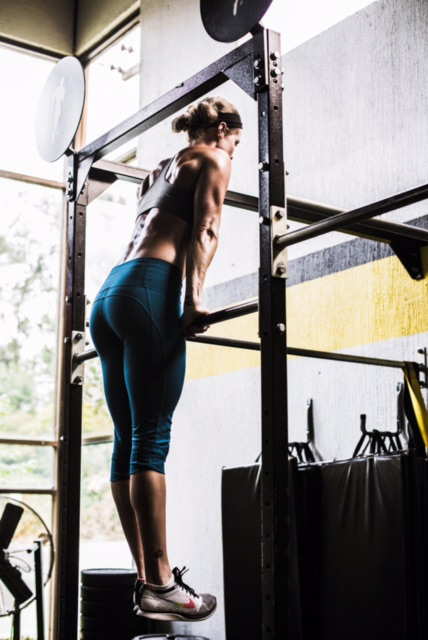
4. Difficulties of Doing Pull-Ups
i. Weight
The more you weigh, the more you have to lift your body in order to complete a pull-up. People who have the most trouble with body weight movements like pull-ups are normally on the heavy side. You will need to lose some fat in order to make a difference in your body weight movements.
ii. Grip Strength
Grip strength is essential in pull-ups. You need sufficient grip strength to hold your body weight in the execution of a pull-up. To improve your grip strength, you need to perform exercises that involve static contractions of the hands, forearms, shoulders and upper back. Examples of these exercises can carrying heavy dumbbells or just hanging from the pull-up bar for some time.
iii. Strong Back
A strong back is required to do push up although the pull-up exercise is supposed to strengthen your back. There must be a certain amount of back strength available to pull your body upwards to the horizontal bar. Add a few upper body pulling movements into your back workout to ensure your back is getting stronger to be able to do pull-ups properly.
iv. Incorrect Posture
Like any other exercises, a correct posture is required to successfully execute a pull-up. An incorrect posture will not only make pull-ups more difficult but will also expose you to injuries during the exercise. Taking a normal shoulder width grip, lifting your chin and tucking your neck backwards to better engage the upper back muscles will put you in a better starting position to pull upwards. If you can’t maintain relative body position throughout the pull and rely on whatever muscles to do the work, you will be wasting energy and tire easily without being able to pull yourself up properly. Everything should stay tight when you pull by pointing your toes, locking your legs, squeezing your glutes, packing your neck, tucking your chin, taking a big breath and squeezing your core out as you pull your upper chest upwards towards the horizontal bar.
5. Exercises that Helps with Pull-Ups
i. Timed Hangs
Face your hands away from your body, jump and grab hold of a pull-up bar, keeping your abs tight. Hang with straight arms and feet off the ground. Slightly retract your shoulder blades to engage your core and activate the back muscles. Your arms should be extending straight up from your shoulders. Think about internally rotating your shoulders and pressing them down to set your shoulder blades and focus on using your back muscles to keep shoulder blades (scapula) in a level position
ii. Scapular Pull-up
Start by hanging on a horizontal pull-up bar in a normal pull-up position with a palms-away grip and hands shoulder-width apart. Slightly shrugged your shoulders to draw the scapula down and together, thus raising your body slightly but without bending your arms and pulling as in a regular pull-up. Hold the top position for one second, and then return to the starting position. Regular use of this isolation exercise will develop better awareness of your scapula position and enable you to pull-up easier.
iii. Dumbbell holds
Dumbbell holds are one of the simplest grip-training exercises. Hold a heavy dumbbell in each hand and stand with feet shoulder-width apart and arms at your sides keep your core tight and your head looking forward. Keep the posture, engage your biceps and avoid locking your arms. Hold for at least 30 seconds and repeat. Progressively, move to a heavier set of dumbbells.
iv. Prone Bat Wings
This is an isometric chest supported row exercises that can be executed using dumbbells. To do this exercise, lie face down on an incline bench, and hold a dumbbell in each hand. Keep one leg on each side of the bench, knees loosely bent and relaxed. With elbows close to your body, pull up dumbbells by squeezing shoulder blades together. The dumbbells should be in line with your ribcage or waist and held for 10 seconds at the top of your row. Batwing rows are a simple exercise to improve posture, appearance, and upper back strength.
v. Forearm Plank
Start in a high push-up position by placing hands on floor, directly under shoulders, and legs straight behind you with feet hip-width apart Bend your elbows and rest your weight on your forearms instead of your hands. Your body should form a straight line from your shoulders to your ankles. Keeping back straight, tighten core and hold the position for as long as you can.
A pull-up is an upper-body strength exercise, a closed-chain movement where the body is suspended by the hands and pulls up. The pull-up is one of the most effective exercises for strengthening the back muscles and a common way to measure the upper body strength of the “pulling muscles”. Add pull-ups to your body workout routine as it is also a valuable exercise at building upper body and functional strength.
Thank You for reading.
 Health and Fitness Warrior