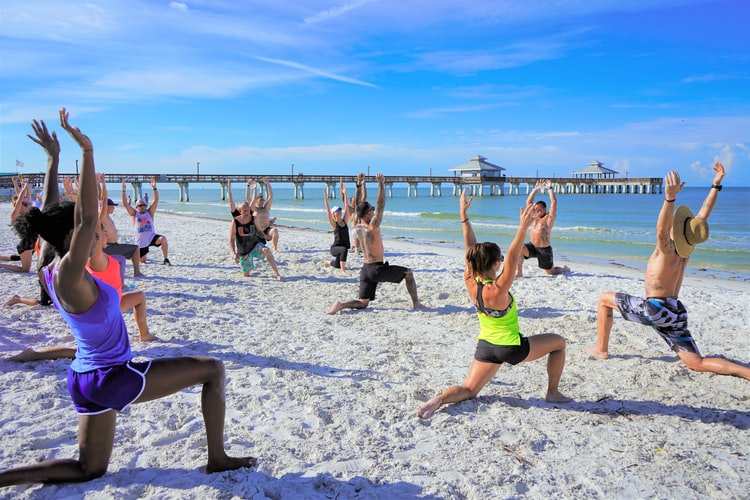
Regular exercise helps prevent or manage many health problems. Frequent physical activity can improve your muscle strength and boost your endurance. One of the most common physical activities to achieve this is via exercising or body workout. Exercise delivers oxygen and nutrients to your tissues and helps your cardiovascular system work more efficiently. In this article, we will explore 7 ways in which exercising or working out can be beneficial to you.
1. Exercise helps you to maintain your weight
Exercise can help prevent excess weight gain or help maintain weight loss. When you engage in physical activity, you burn calories. The more intense the activity, the more calories you burn. Combining exercise with a healthy diet is an effective way to maintain or lose weight. Exercising can increase your body metabolism and increase lean body mass which increases the amount of calories you burn in a day. It will also help you maintain a firmer and more tone body with a reduction in weight.
2. Exercise protects you from health conditions and diseases
Being active boosts your body defense and strengthen your body against adverse health issues and diseases. Exercising will let your body produce more high-density lipoprotein (HDL) cholesterol, the “good” cholesterol, and lower unhealthy triglycerides. This in turn will decrease your risk and prevents or deters cardiovascular diseases.
3. Exercise improves your mental health
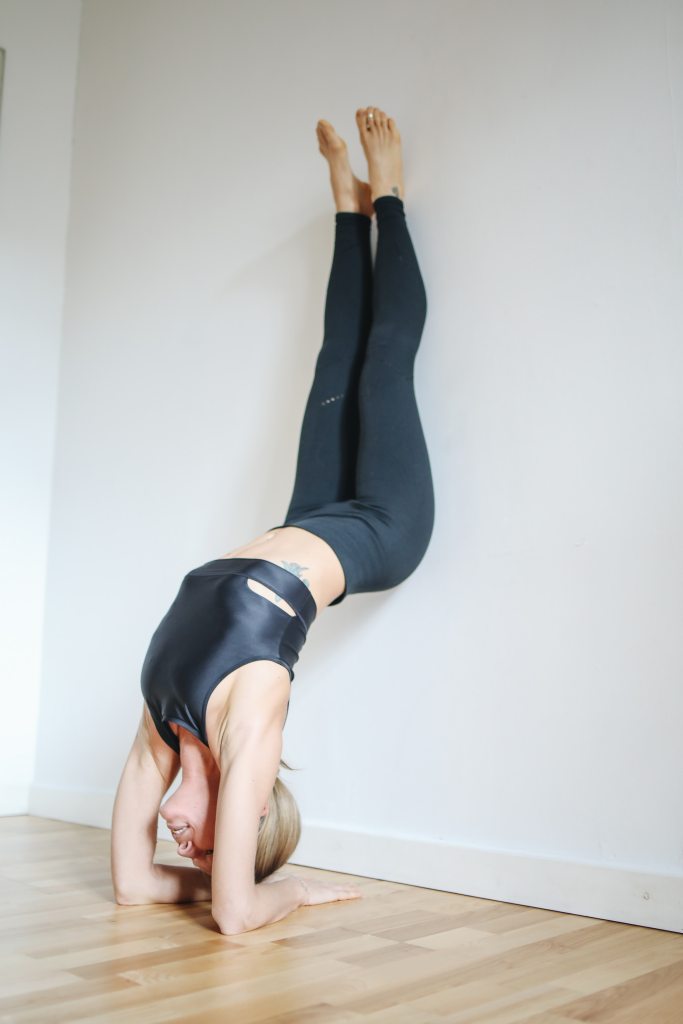
Physical activity can leave you feeling happier, more relaxed and less anxious. You may also feel better about your appearance and yourself when you exercise regularly, which can boost your confidence and improve your self-esteem. Exercise promotes chemicals in the brain that improve your mood and make you more relaxed. Physical activity reduces anxiety and depressed mood, and enhances self-esteem.
4. Exercise increase your energy level
Regular physical activity can improve your muscle strength and boost your endurance. It can also improve energy levels by strengthening the blood circulation and the heart muscle. These in turn delivers oxygen and nutrients to your tissues and helps your cardiovascular system work more efficiently and provides you with renewed energy to carry on your daily chores.
5. Exercise improves the quality of your sleep
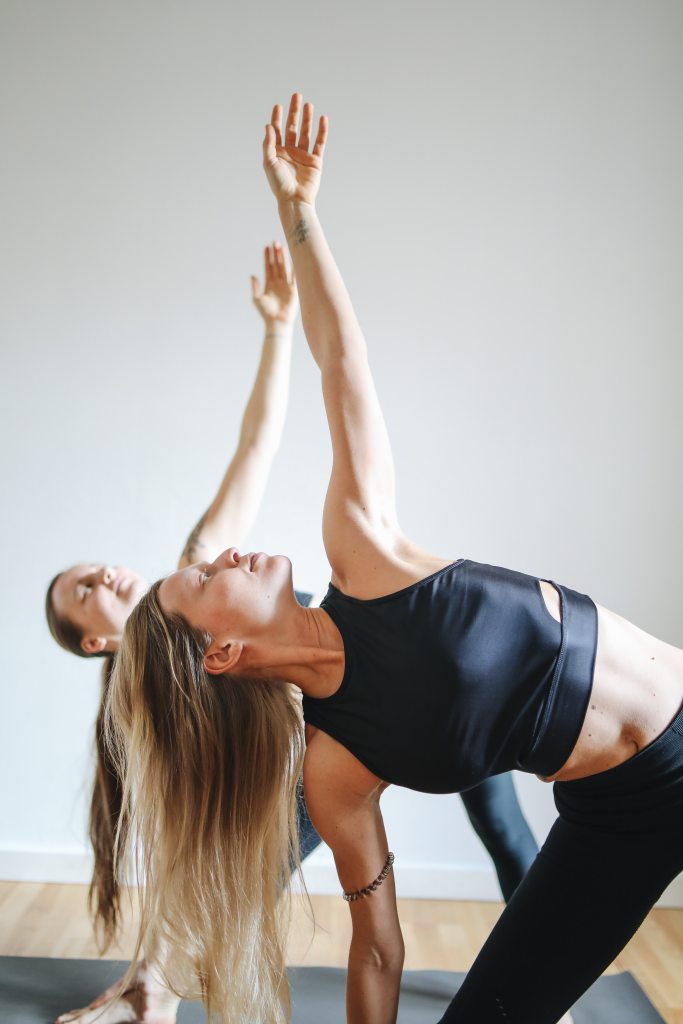
Physical activity can help you fall asleep faster, get better sleep and deepen your sleep. Exercising regularly and consistently can help boost sleep duration, sleep quality and reduce stress and anxiety. Stress is a common cause of sleep problems, including trouble falling asleep and sleeping restlessly during the night. Exercising is an effective natural therapy for insomnia
6 Exercise improve your immune system
Physical activity may help flush bacteria out of the lungs and airways and hence reducing the chances of contracting a cold, flu, or other illness. Exercise causes change in antibodies and white blood cells and helps the body’s immune system cells fight disease. The brief rise in body temperature during and right after exercise may prevent bacteria from growing and help the body fight infection better. Exercise slows down the release of stress hormones which can help to protect against illness.
7 Exercise can help maintain your blood pressure
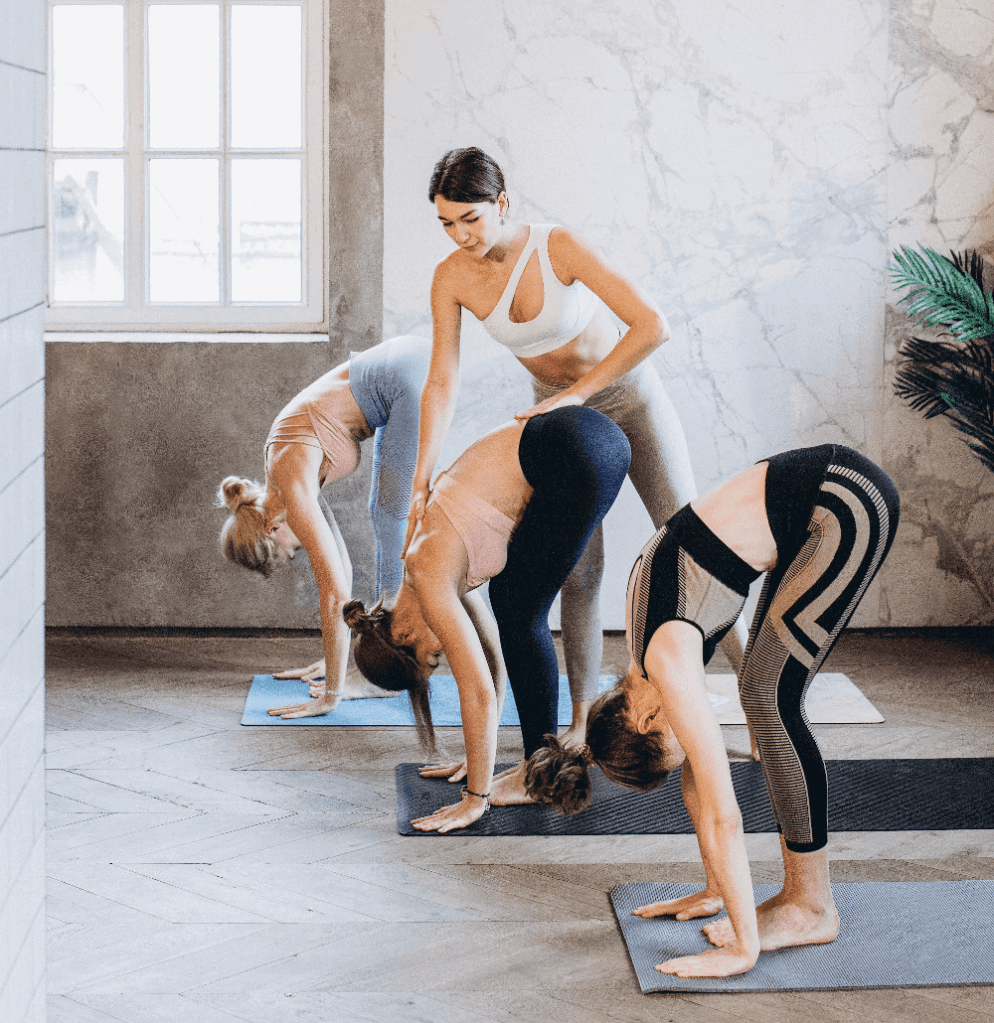
Regular physical activity makes your heart stronger and allows it to pump more blood with less effort. When the heart works less to pump blood to your body, the force exerted on your arteries decreases, hence lowering the blood pressure. The blood pressure will return to normal within several hours of a workout but it may not return to exactly what it was before the exercise as it is normal for blood pressure to drop slightly within a few hours of exercise.
Regular exercise is good for you and it’s never too late to start. To get the most benefit, you should try to get the appropriate type of exercises suitable for your respective age. Constant exercising can reduce your weight, make you feel better and help your body to prevent or control many diseases which ultimately will enable you to live longer.
Thank You for reading.

 Health and Fitness Warrior