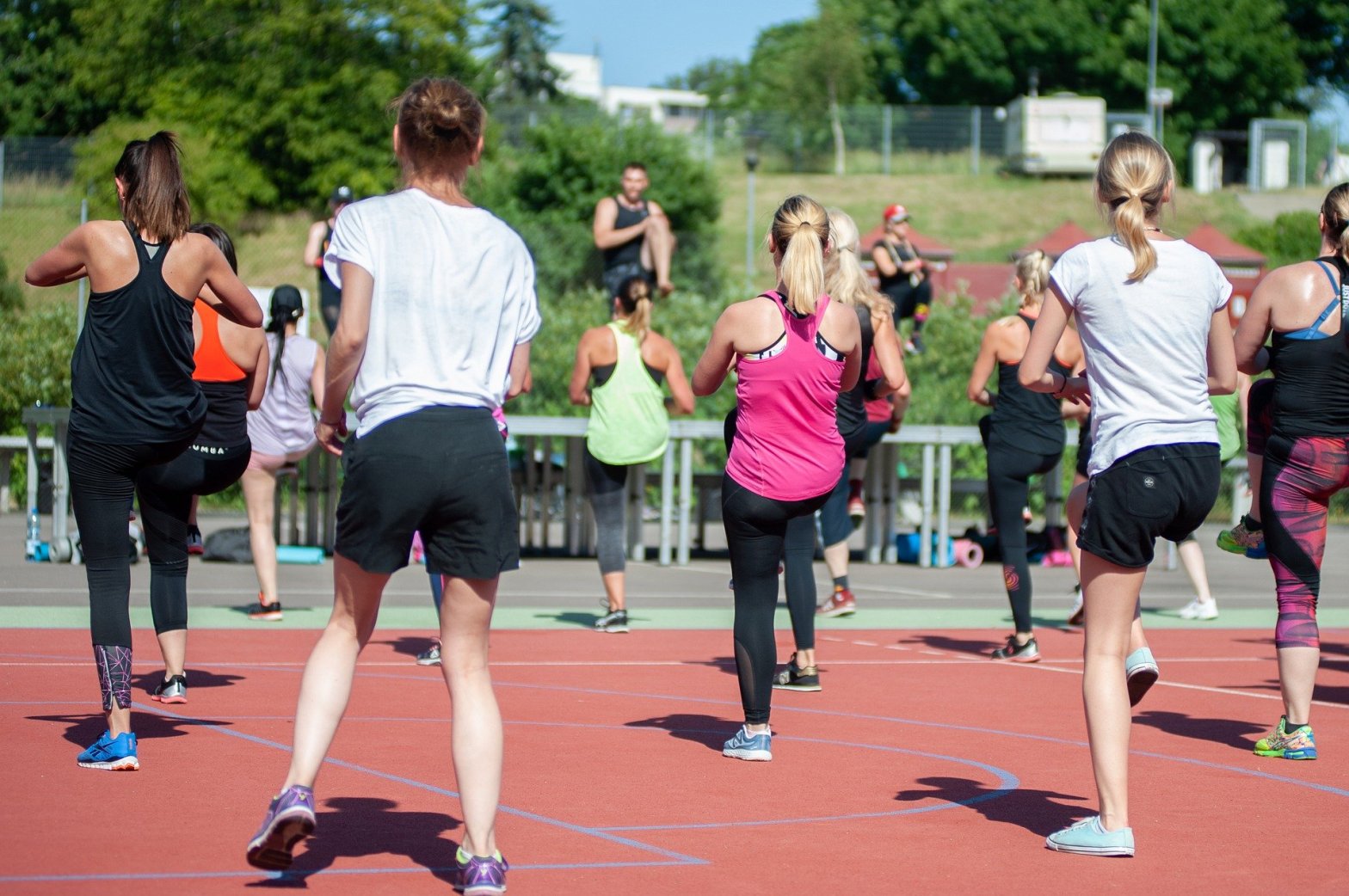
Regular exercise is good for you. It not only improves your overall fitness level, it also can help you lose weight, improve your immunity and help you fight off diseases. People who exercise regularly tend to do so because it gives them an enormous sense of well-being. Exercising is also considered to be a powerful medicine for many common physical, biological as well as mental health challenges. As we age, it is even more important that we keep ourselves healthy and fit via regular exercising or workout routines. In this article, we will explore some of the exercises suitable for us as we grow old from the 20s onwards.
1. People in their 20s
People in their 20s should start exercise routine that focus on building muscle mass and bone density besides doing running and swimming. At the age where you are full f energy and vitality, you should consider doing multi-joint exercises like lunges, squats and push-ups. The routine should aim to exercise 8 reps for two to three hours per week. Cardio and weights exercises are a good way to start to tone and strengthen your muscle groups. Zumba workouts that combine hot dance moves, fantastic music and heart-thumping aerobics is both fun and exhausting and a great way to keep fit. One of the best workouts is cross-training, a combination of both strength/resistance training with cardio elements. At this age, your body is most likely in its peak physically and your muscles will recover quickly from any strenuous activity.
2. People in their 30s
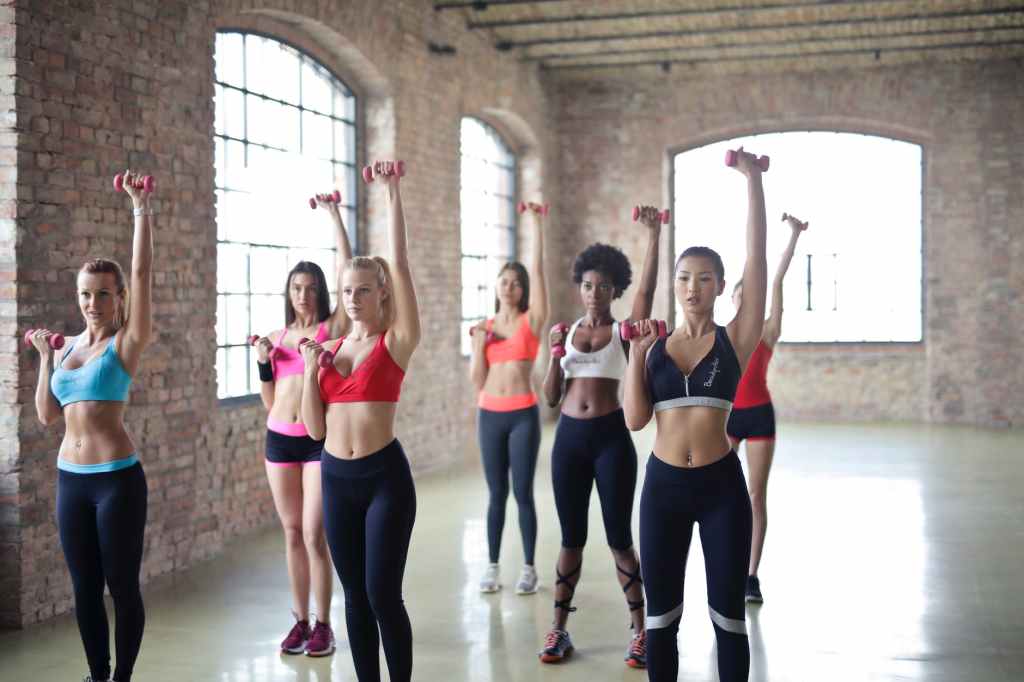
People in their 30s should work towards improving their stamina. This is an excellent time to establish a lifelong health routine. Start off slow and build up progressively. Yoga, Pilates, Swimming, Zumba, Kickboxing, HIIT (High intensity interval training- a form of cardio exercise done in short, intense bursts that aim to maximize athletic performance under conditions where the muscles are deprived of oxygen) and HIRT (High Intensity Resistance Training – a form of exercise which is essentially doing a series of strength training exercises for a set number of reps, for a set number of minutes and without rest) are good options to incorporate into your lifestyle. At this age, it is normal to start losing muscle mass. You need muscle to continue to look young, increase your metabolism and help you with stability and mobility. It is also a good time to strengthen your, lungs and heart as. A simple routing can start from warming up exercises, walking lightly and interlace with sprints in-between.
3. People in their 40s
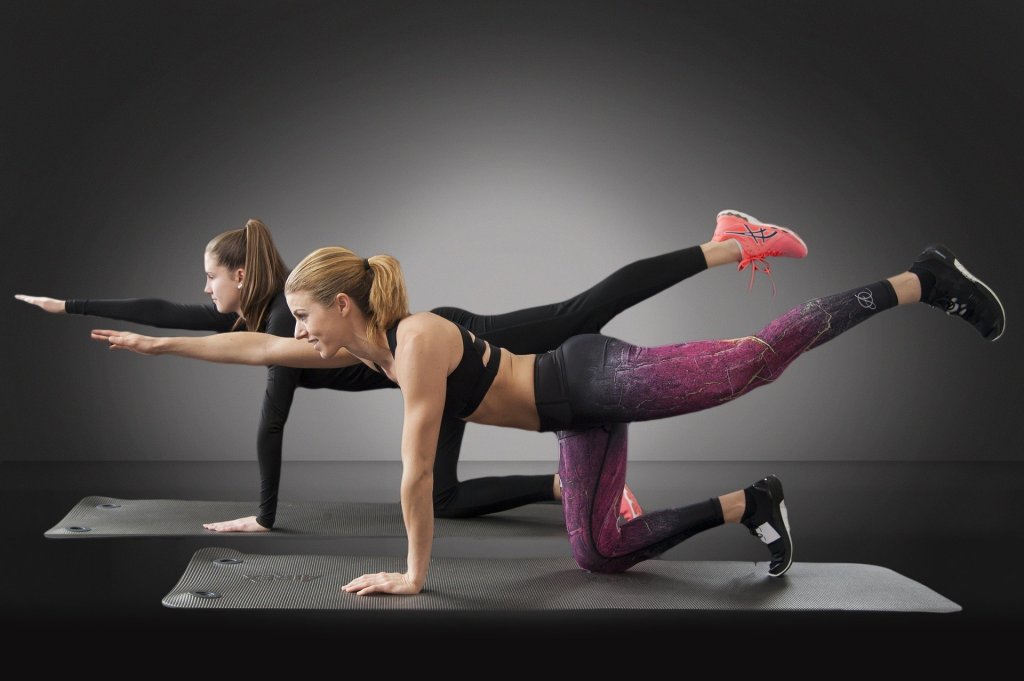
People in their 40s start to experience a decrease in muscle size, strength and recovery time. Bones becomes increasingly more fragile and more prone for injury. Testosterone levels begin to decrease and the ability to build muscle decreases as well. At this age, you should start on light cardio before workouts to get the blood flowing through the body. Dancing, jumping jacks, racquet sports, and a light jog are all great examples of exercise that can keep your bones strong. Stretching exercises, jumps, squats and treadmills are good ways to keep maintain your stamina, energy and power level. Yoga is also a good choice.
4. People in their 50s
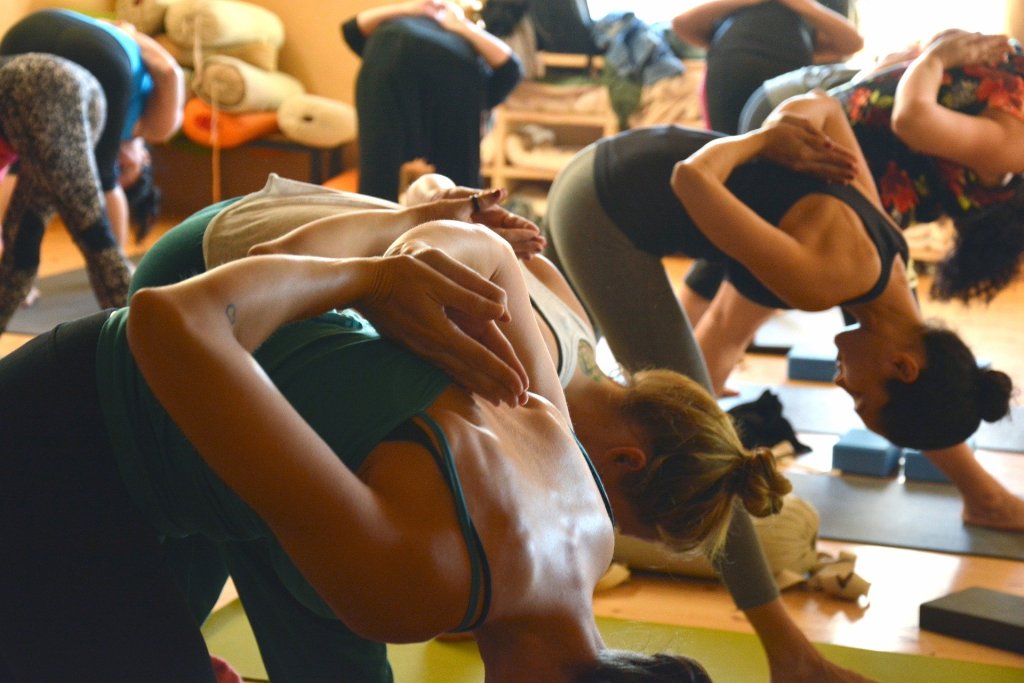
People in their 50s start experiencing their body being slower to respond to exercise, plus an increase in fatigue and muscle joint aches. Using weights is a good way to protect your bone density, building muscle and losing fat. Jump squats are a good exercise to build the muscles of the thighs, hips, core and buttocks. Get involved in a well-rounded fitness routine that incorporates aerobic activity, strength training, and stretching. Physical movements from activities gardening, washing the car, hiking, golf, cricket, walking up and down the stairs, or briskly walking the dog are good exercises to help you stay healthier and keep fit.
5. People in their 60s and beyond
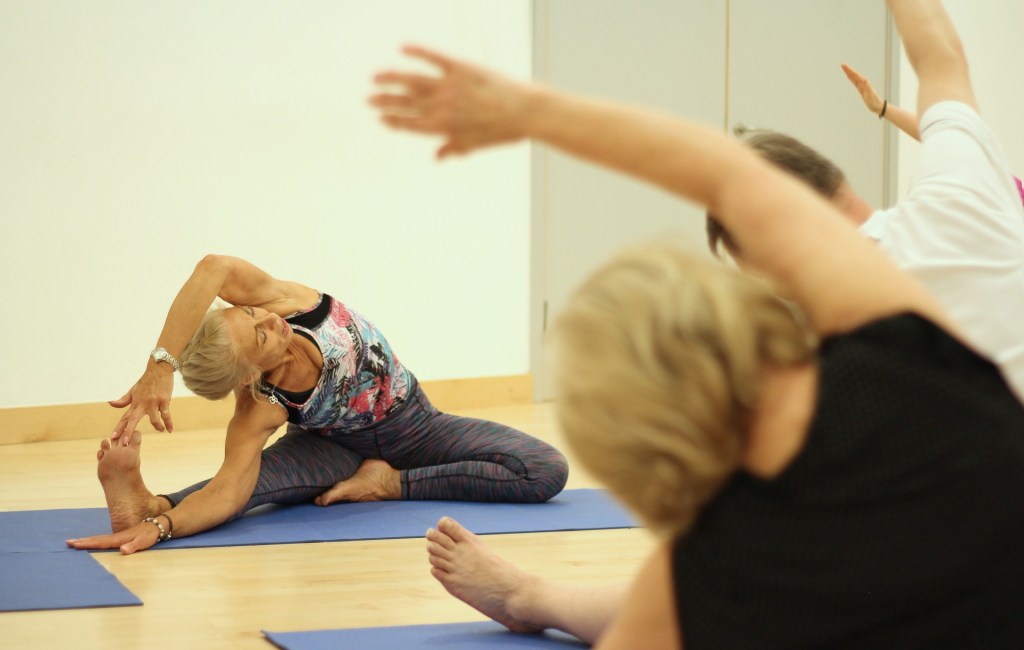
People in their 60s and beyond tend to slow down and become more sedentary. The may be having health problems, weight or pain issues or simply worry about falling. At this age, an active lifestyle becomes more important than ever to your health. . Regular exercise is essential for your mind, mood, and memory. Getting active can help boost your energy level, maintain your independence, protect your heart, and manage symptoms of illness or pain as well as your weight. Activities like increase your breathing and heart rate together with endurance exercises are good options. Yoga, lifting weights or using a resistance band, brisk walking or jogging, dancing, swimming, and biking are exercises that can increase your muscles strength. Lifting weights or using a resistance band can build strength.
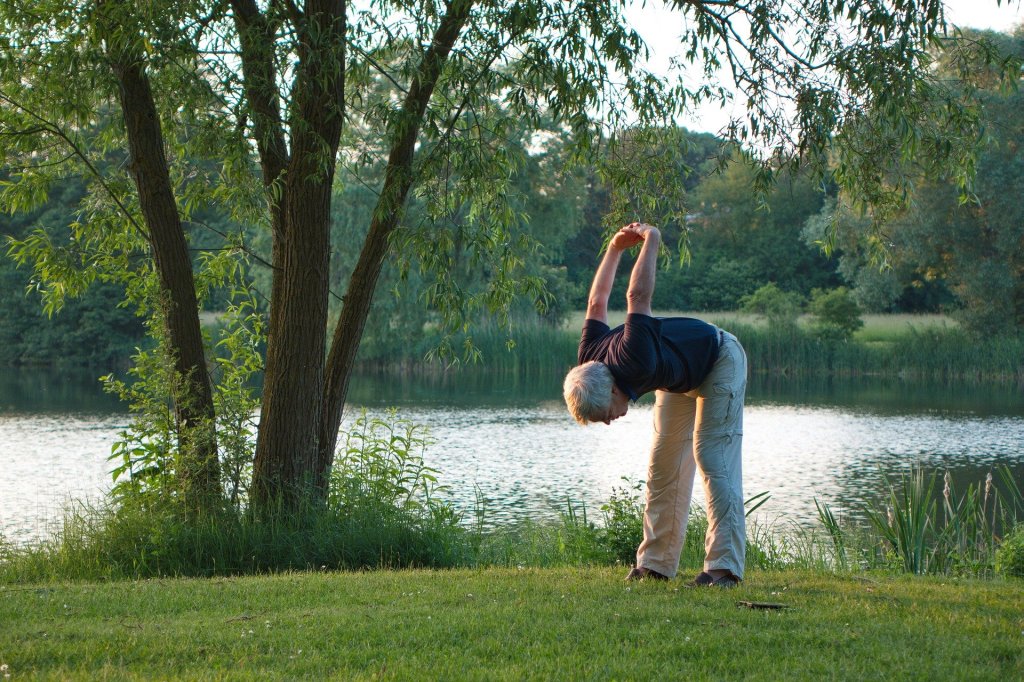
Starting or maintaining a regular exercise routine can be a challenge at any age—and it doesn’t get any easier as you get older. While there may be many reasons to encourage you to take a step back or take it easy as you age, they’re also exactly the same reasons why you should get moving and stay active. Keeping an active lifestyle is essential to prevent health risk as you grow old. It’s never too late to get your body moving in order to boost your health and outlook or improve how you age.
 Health and Fitness Warrior